The Hidden Benefits of Leftover Lunch Meals
Eating leftovers for lunch isn’t just about convenience—it’s one of the smartest decisions you can make for your wallet, your schedule, and the environment. While many people view leftover food as second-rate meals, the reality is that repurposing yesterday’s dinner into today’s lunch offers incredible advantages that most people overlook.
The Environmental Impact of Leftover Food Consumption
The environmental benefits of eating leftover meals are staggering. According to food waste research, approximately 1 million tons of CO2, 95 billion gallons of water, and $275 million worth of resources are wasted during major holidays like Thanksgiving alone—all in the form of discarded leftover food.
When you choose to eat leftovers for lunch instead of throwing food away, you’re directly reducing:
- Greenhouse gas emissions from food waste decomposition
- Water waste from food production
- Energy consumption in food manufacturing and transportation
- Packaging waste from purchasing additional meals
Financial Benefits of Leftover Lunch Strategies
Save Money on Daily Lunch Costs
The average American spends $1,200 annually on lunch purchases. By incorporating leftover meals into your lunch routine just three times per week, you can save approximately $600-800 per year. This leftover food strategy transforms your dinner investment into two meals, effectively cutting your food costs in half.
Reduce Grocery Waste and Maximize Food Purchases
Leftover lunch planning helps you maximize every grocery dollar spent. Instead of watching expensive ingredients spoil in your refrigerator, you’re extracting full value from your food purchases. Premium proteins, fresh vegetables, and quality grains become the foundation for multiple satisfying meals.
Time-Saving Advantages of Leftover Lunch Preparation
Eliminate Daily Lunch Decision Fatigue
One of the most underrated benefits of eating leftovers for lunch is the elimination of daily meal decisions. When you have leftover food ready in your refrigerator, you avoid the time-consuming process of deciding what to eat, where to order from, or what to prepare fresh.
Streamline Your Morning Routine
Leftover lunch preparation takes minutes, not hours. Simply portion your leftover food into containers the night before, and your lunch is ready to grab and go. This efficiency transforms hectic mornings into smooth, stress-free starts to your day.
Nutritional Benefits of Leftover Meals
Maintain Consistent Nutrition Standards
When you eat leftovers for lunch, you maintain the same nutritional quality as your original home-cooked dinner. Unlike processed lunch options or fast food, leftover food retains the balanced nutrition, fresh ingredients, and dietary considerations you carefully planned for your dinner meal.
Control Portion Sizes and Ingredients
Leftover lunch portions allow you to control exactly what you’re eating. You know every ingredient, cooking method, and nutritional component because you prepared the original meal. This knowledge is particularly valuable for people managing dietary restrictions, allergies, or specific health goals.
Creative Leftover Food Transformation Ideas
Reinvent Your Leftover Meals
Transform leftover food into exciting new lunch experiences:
Protein Transformations:
- Leftover roasted chicken becomes chicken salad, grain bowls, or wrap fillings
- Remaining beef roast transforms into hearty sandwiches or stir-fry additions
- Extra fish fillets become the base for fish tacos or salad toppings
Vegetable Makeovers:
- Roasted vegetables become perfect grain bowl additions or omelet fillings
- Leftover pasta transforms into pasta salad with fresh additions
- Remaining rice becomes fried rice or stuffed pepper filling
Best Practices for Leftover Food Safety
Proper Storage Techniques
Maximize the safety and quality of your leftover meals:
- Refrigerate leftover food within two hours of cooking
- Store leftovers in airtight containers to maintain freshness
- Label containers with contents and date for easy identification
- Consume refrigerated leftovers within 3-4 days for optimal safety
Reheating Guidelines for Leftover Lunch
Properly reheating leftover food ensures both safety and flavor:
- Heat leftovers to an internal temperature of 165°F (74°C)
- Use microwave-safe containers for quick reheating
- Add moisture when reheating rice, pasta, or grain-based leftovers
- Stir food during reheating to ensure even temperature distribution
Meal Planning Strategies for Leftover Success
Cook with Leftovers in Mind
Strategic cooking creates intentional leftover meals:
- Prepare slightly larger portions to guarantee leftover food
- Choose recipes that improve with time, like stews, casseroles, and marinated dishes
- Plan complementary side dishes that work well as leftover lunch components
- Consider batch cooking on weekends to create multiple leftover meal options
Weekly Leftover Food Planning
Create a systematic approach to leftover lunch success:
- Sunday: Plan the week’s dinner menu with leftover potential in mind
- Monday-Wednesday: Prepare fresh dinners that will become Thursday-Friday lunches
- Thursday-Friday: Enjoy leftover lunch benefits while preparing weekend meals
- Weekend: Batch cook components for the following week’s leftover opportunities
Making Leftover Lunch Socially Acceptable
Elevate Your Leftover Food Presentation
Transform leftover meals into restaurant-quality lunch experiences:
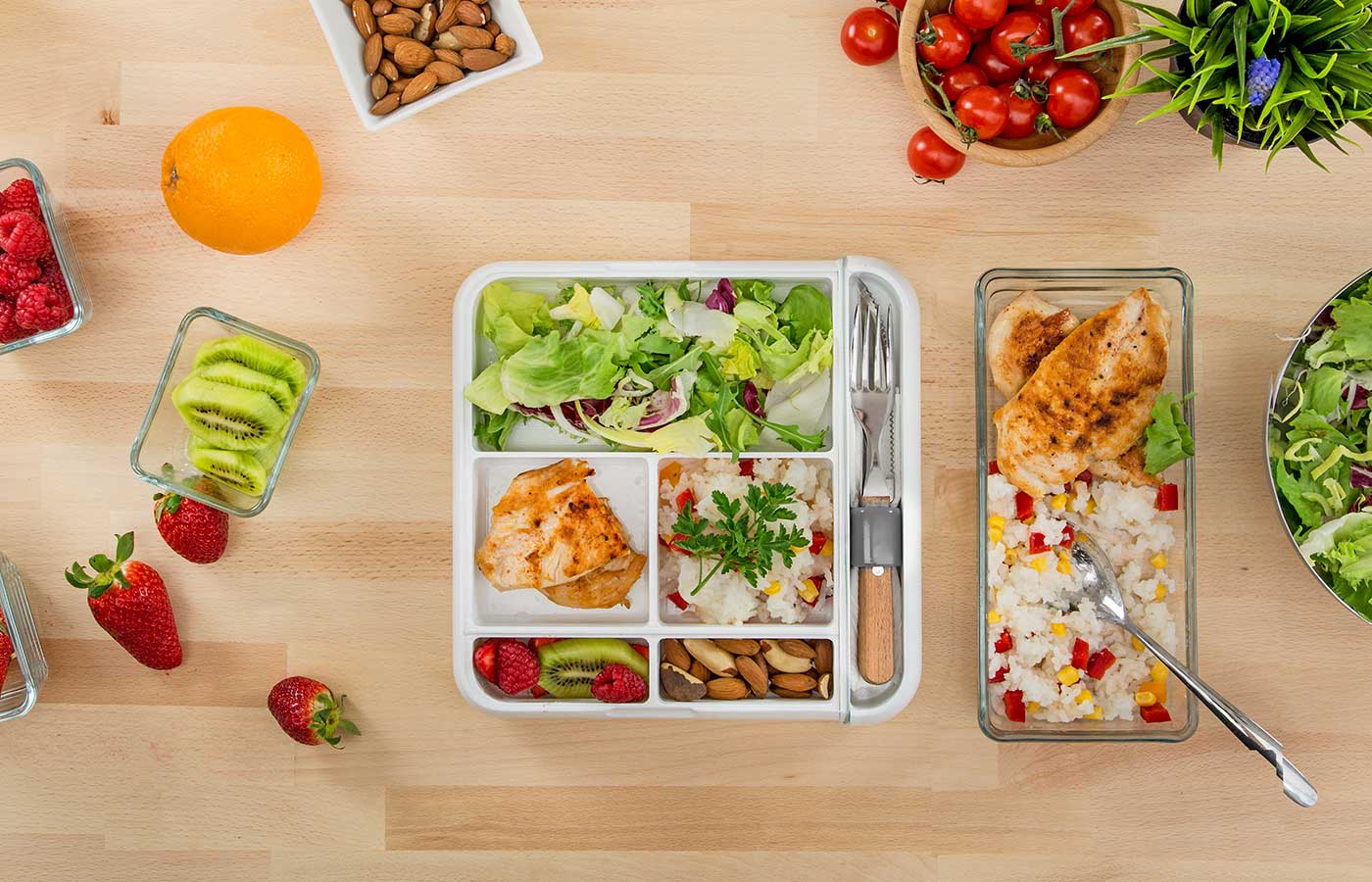
- Invest in attractive lunch containers that showcase your food
- Add fresh garnishes like herbs, nuts, or a drizzle of quality oil
- Pack complementary sides like fresh fruit or artisanal crackers
- Include a small treat to make your leftover lunch feel special
Share the Leftover Food Philosophy
Normalize eating leftovers for lunch in your workplace and social circles. When colleagues see your delicious, home-prepared leftover meals, they often become inspired to adopt similar practices. Your leftover lunch choices can influence positive changes in your community’s approach to food waste and meal planning.
The Psychology of Leftover Food Satisfaction
Reduce Lunch-Related Stress
Knowing you have a delicious leftover meal waiting eliminates the anxiety of lunch decisions. This psychological benefit extends beyond mealtime, creating a sense of preparedness and control that positively impacts your entire day.
Build Sustainable Eating Habits
Regular leftover lunch consumption creates sustainable eating patterns. You develop a natural rhythm of cooking, storing, and enjoying food that reduces waste while maintaining nutritional quality. These habits become second nature, supporting long-term health and financial goals.
Conclusion: Embrace the Leftover Lunch Revolution
Eating leftovers for lunch represents a simple yet powerful lifestyle choice that delivers environmental, financial, nutritional, and practical benefits. By viewing leftover food as an opportunity rather than a compromise, you transform your approach to daily nutrition while contributing to a more sustainable food system.
Start small by designating one or two days per week as leftover lunch days. As you experience the benefits firsthand, you’ll likely find yourself naturally expanding this practice. Your wallet, your schedule, and the planet will thank you for making leftover meals a cornerstone of your lunch strategy.
The next time you’re planning dinner, think beyond the evening meal. You’re not just preparing tonight’s food—you’re creating tomorrow’s perfect leftover lunch opportunity.